
Key Takeaways
- Carbon monoxide comes from fuel-burning appliances and engines that aren’t burning cleanly or venting properly.
- Furnaces, water heaters, gas fireplaces, gas ranges, space heaters, generators and idling cars are the usual sources.
- CO has no color, smell or taste, so working alarms are your only way to detect it.
- A yearly heating system inspection helps catch cracked parts and venting problems early.
- If your alarm sounds, get everyone outside and call 911 before doing anything else.
So, what causes carbon monoxide in a house? It comes from fuel-burning appliances and engines that aren’t burning cleanly or aren’t venting properly. When everything works, exhaust goes outside. When a part cracks, a vent gets blocked or maintenance gets skipped, carbon monoxide (CO) can build up where your family breathes it.
CO has no color, no smell and no taste, so you can’t tell it’s there without a detector. That’s why it’s worth knowing where it comes from, especially as Birmingham homeowners turn on the heat for the first time this season.
What causes carbon monoxide in a house?
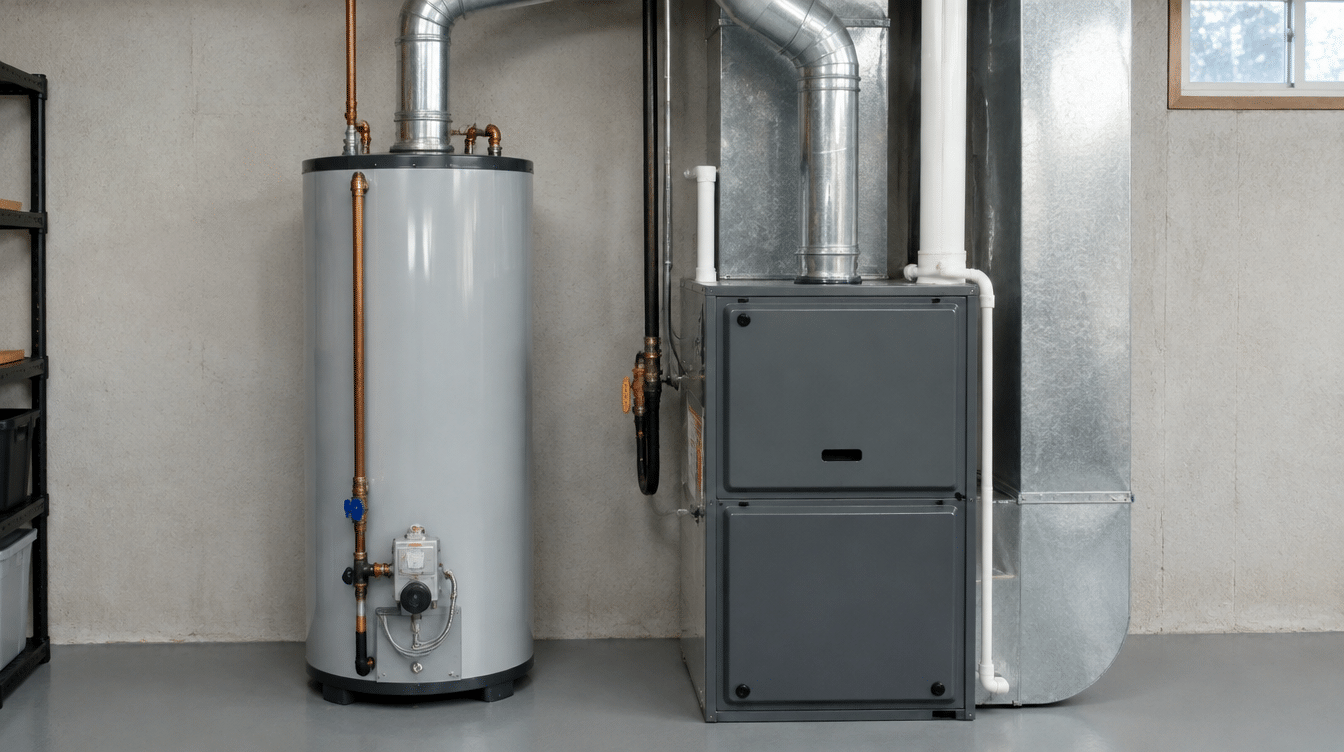
Carbon monoxide in a house comes from fuel-burning appliances that aren’t burning cleanly or venting properly. Gas furnaces, gas water heaters, fireplaces, gas ranges and unvented space heaters are the usual culprits. When something fails, like a cracked part or blocked vent, exhaust stays inside instead of going outdoors.
Here’s what typically goes wrong with each source.
- Gas furnaces: Your furnace sends exhaust out through a flue or vent pipe. A cracked heat exchanger, a blocked or disconnected flue, a poorly adjusted burner or back-drafting (exhaust pulled back into the house instead of up the vent) can all let CO in. The EPA lists leaking furnaces and back-drafting among the main indoor sources of CO (EPA).
- Gas water heaters: A gas water heater runs all year and vents through a flue just like a furnace. A rusted or disconnected vent pipe, a blocked flue or a draft problem can send exhaust back into a closet, garage or basement.
- Gas fireplaces and gas logs: These need a clear, working flue. With a log set in a traditional fireplace, the damper has to be open whenever it’s in use. The EPA’s guidance is plain: open flues when fireplaces are in use (EPA).
- Gas ranges and ovens: These release combustion gases into your kitchen. The EPA recommends an exhaust fan vented to the outdoors over gas stoves (EPA). Never use a gas oven or range to heat your home.
- Unvented space heaters: Unvented kerosene and gas space heaters release their exhaust right into the room, and the EPA names them as an indoor CO source.
Many Birmingham-area furnaces sit unused from spring to fall. Animals, debris or a loose vent connection can go unnoticed all summer, which is one reason fall inspections matter.
Why are portable generators and attached garages such a risk?
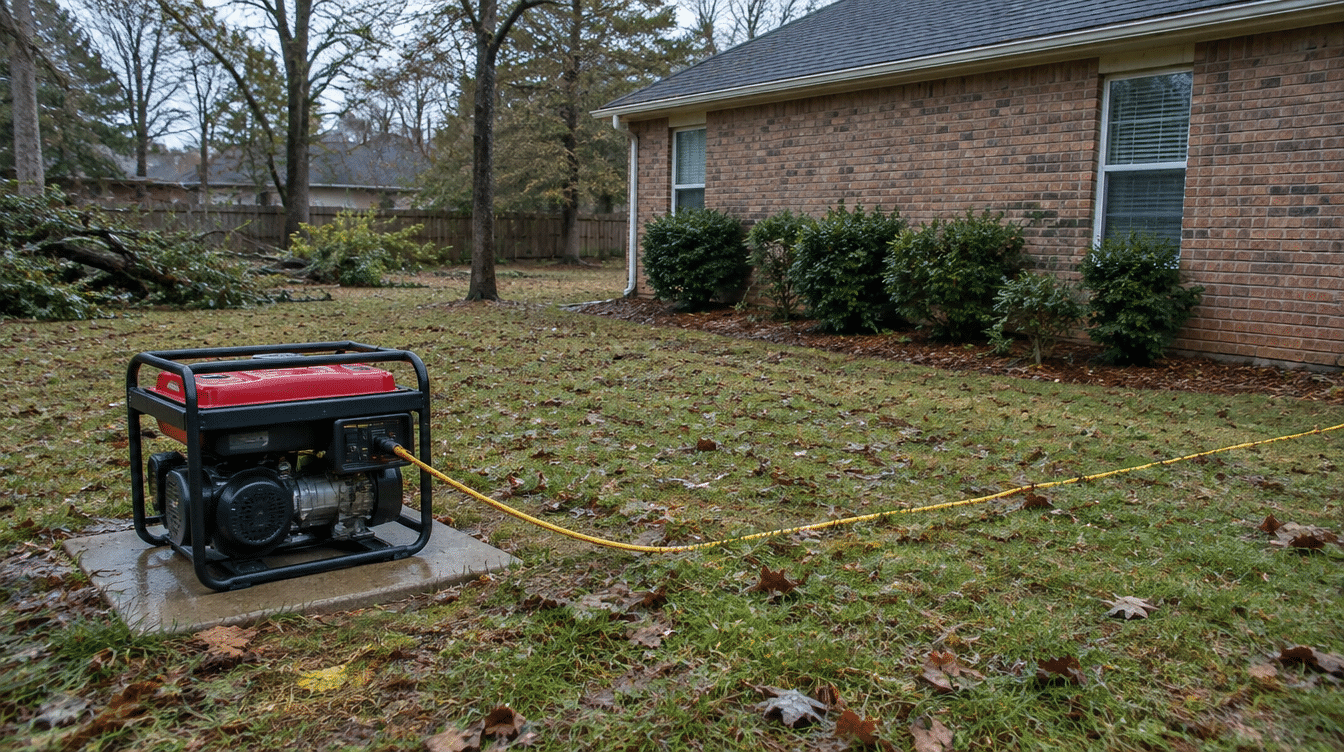
Portable generators and cars idling in attached garages are two of the most dangerous sources. Both put out large amounts of carbon monoxide, and the exhaust can drift into living spaces even with a garage door or windows open. Run generators outside, far from the house, and never idle a car in the garage.
After storms knock the power out, generators become one of the biggest CO risks. The CPSC says more than 200 people in the United States die every year from CO poisoning, and more than 100 of those deaths are linked to portable generators. It also says one portable generator can produce the same amount of carbon monoxide as hundreds of cars (CPSC).
Never run a portable generator inside your home or garage, even with the doors and windows open. Keep it outside and well away from windows, doors and vents. If you’d rather not deal with that every time the power goes out, a permanently installed standby generator that’s sized and placed correctly by a licensed contractor is a safer long-term option.
Cars are a risk too. Running a car in an attached garage, even with the garage door open, can push exhaust into the house, so don’t idle a car inside the garage (EPA).
How serious is carbon monoxide poisoning?
It’s very serious, and it can sneak up on you because CO has no color, smell or taste. According to the CDC, more than 400 Americans die each year from unintentional carbon monoxide poisoning not linked to fires, and more than 100,000 visit an emergency department (CDC).
The CDC also reports that more than 14,000 people are hospitalized each year (CDC). The early symptoms are easy to mistake for the flu: headache, dizziness, weakness, upset stomach or vomiting, chest pain and confusion (CDC).
One clue we tell homeowners to watch for: if several people in the house feel sick at the same time and feel better after they leave, take it seriously.
What are the warning signs an appliance may be producing CO?
Yellow or orange, lazy flames, soot stains, rusted or loose vent pipes and a pilot light that keeps going out can all point to poor combustion or venting. None of these proves there’s a CO leak, but each one is worth a call to a professional.
You can’t see or smell carbon monoxide, but you can sometimes spot signs that an appliance isn’t working right:
- Yellow or orange, lazy flames on a gas furnace burner or range, where you’d normally see a crisp blue flame
- Soot or dark staining around a furnace, water heater, fireplace or vent pipe
- A lot of condensation on windows near fuel-burning appliances
- A pilot light that keeps going out
- Rusted, loose or disconnected vent pipes
How do you protect your family from carbon monoxide?
Install CO alarms on every level and outside sleeping areas, get your heating system inspected every year, repair venting problems promptly, and keep outdoor vents clear. Alarms warn you, but maintenance is what stops CO from being produced in the first place.
Install CO alarms. The CPSC recommends battery-operated CO alarms, or alarms with battery backup, on every level of the home and outside sleeping areas. Interconnected alarms are best, since when one sounds, they all sound (CPSC). Check the batteries regularly and replace the alarm when the manufacturer says to.
Get your heating system inspected every year. The EPA recommends having a trained professional inspect, clean and tune up your central heating system, including furnaces, flues and chimneys, every year (EPA). During a furnace tune-up, a technician checks the burners, the heat exchanger and the venting. The DouglasCare maintenance plan is an easy way to keep that yearly check on the calendar.
Repair problems promptly. Don’t put off a vent pipe that’s come loose or a furnace that’s acting strange. Small problems with gas appliances can turn into safety problems.
Keep vents clear. Make sure outdoor vent terminations for high-efficiency furnaces and water heaters aren’t blocked by leaves, pine straw, shrubs or debris.
Frequently Asked Questions
What should I do if my carbon monoxide alarm goes off?
Don’t try to find the source yourself. Get everyone outside to fresh air right away and call 911 (CPSC). Don’t go back inside until emergency responders say it’s safe.
Can I use my appliances again after the alarm stops?
Not until a qualified technician has inspected them. Once the fire department or gas company has cleared the house, something still caused that alarm, and it needs to be found and fixed.
Is a gas leak the same as a carbon monoxide leak?
No, they’re separate emergencies. Natural gas usually smells like rotten eggs, while CO has no smell at all. If you smell gas, leave the house without flipping switches or using your phone inside, then call your gas company or 911 from outside.
What are the symptoms of carbon monoxide poisoning?
Early symptoms include headache, dizziness, weakness, upset stomach or vomiting, chest pain and confusion (CDC). They’re easy to mistake for the flu. If several people feel sick at once and feel better after leaving the house, take it seriously.
Can I run a portable generator in my garage with the door open?
No. Never run a portable generator inside your home or garage, even with the doors and windows open. Keep it outside and well away from windows, doors and vents.
Is it safe to heat my home with a gas oven?
No. Gas ovens and ranges release combustion gases into your kitchen and were never meant to heat a home. Use a vented exhaust fan when cooking and use a proper heating system for warmth.
Why does a furnace inspection matter for carbon monoxide?
A technician checks the burners, the heat exchanger and the venting so exhaust goes outside where it belongs. Furnaces that sit unused all summer can develop vent problems no one notices until the first cold night.
Where should carbon monoxide alarms go in my house?
The CPSC recommends alarms on every level of the home and outside sleeping areas (CPSC). Interconnected alarms are best, since when one sounds, they all sound.
Serving Birmingham Since 1972
Schedule a Furnace Safety Inspection Today
An honest, in-home evaluation from a NATE-certified technician. We’ll explain your options and help you choose what’s right for your home.